Services
Environmental Compliance Services

Audits & Risk Assessments
- Conduct independent evaluations
- Identify potential risks associated with environmental site operations, including asset conditions, chemical storage practices and handling.
- Prioritize risks based on their potential impact and develop mitigation strategies for high-risk scenarios.
- Evaluate vegetation management plans and prepare remediation plans.
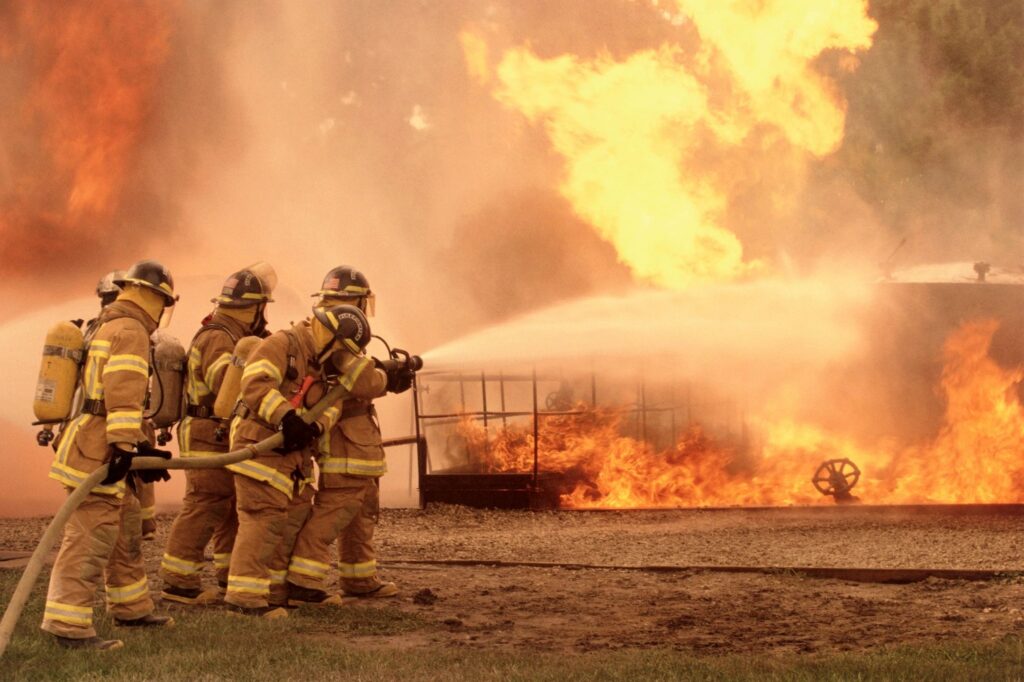
Wildfire Mitigation Planning
- Initial site assessment to identify ignition risks, fuel loads, access constraints, and critical asset vulnerabilities
- Procedure and protocol development to establish standardized wildfire prevention, response, and communication practices
- Annual maintenance and vegetation management planning to ensure ongoing risk reduction and regulatory compliance
- Pre-fire plans, fire department coordination, and zone mapping to support rapid response, improved access, and community safety alignment

Chemical Management & Compliance
- Comprehensive inventory tracking and organization of all on-site chemicals
- SDS management and documentation aligned with regulatory requirements
- Identification and classification of hazardous materials
- Labeling and storage compliance verification
- Routine audits and inventory updates to maintain accuracy
- Support for OSHA and environmental compliance standards

Wildlife Incident Management
- Develop an emergency response plan outlining procedures for responding to wildlife injury and/or mortality incidents.
- Establish communication protocols, emergency contact information, and reporting requirements.
- Conduct regular drills and exercises to test the effectiveness of the emergency response plan and ensure personnel are prepared to respond appropriately in various scenarios.

Spill Prevention & Response Planning (SPCC)
- Development and implementation of SPCC plans in accordance with EPA regulations
- Facility assessments to identify spill risks and storage vulnerabilities
- Inspection of tanks, secondary containment, and transfer systems
- Spill prevention controls and best practice recommendations
- Emergency response planning and spill response procedures
- Employee training and awareness for spill prevention and response
- Routine inspections, testing, and compliance documentation
- Plan updates and certifications to maintain regulatory compliance